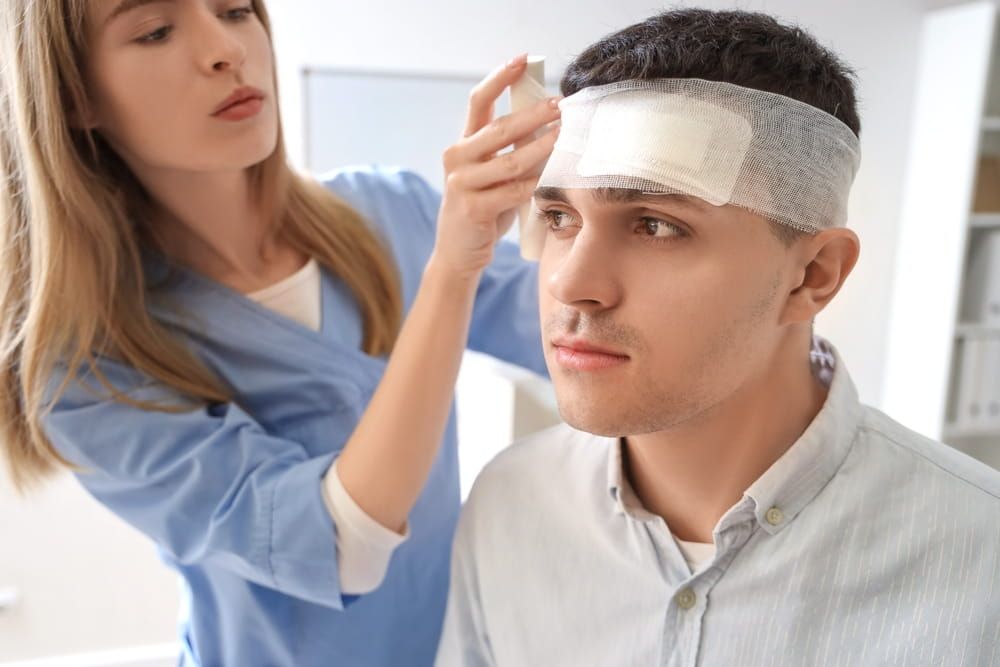
A concussion can affect far more than just the moment of injury. Many people experience lingering symptoms such as headaches, brain fog, fatigue, dizziness, and difficulty concentrating. These symptoms can interfere with work, sports, school, and everyday life. Understanding how the brain heals and what supports recovery can make a meaningful difference in the weeks and months following a concussion.
At Axon Integrative Health, which serves communities including Denver, Cherry Creek, Cherry Hills, Highlands, and Greenwood Village, concussion recovery is often discussed through the lens of functional neurology, physical medicine, and human performance. This approach emphasizes understanding how the brain and body work together and identifying strategies that support neurological healing and resilience.
Understanding What Happens to the Brain After a Concussion
A concussion is considered a mild traumatic brain injury (TBI), but the effects can still be significant. When the brain experiences sudden acceleration, deceleration, or rotational force, it can temporarily disrupt normal brain signaling. This disruption affects how neurons communicate, how blood flow reaches brain tissue, and how energy is produced within brain cells.
In the early stages after a concussion, the brain may experience what researchers call a “metabolic crisis.” Cells require more energy to repair themselves, yet blood flow and oxygen delivery may temporarily decrease. This mismatch can create symptoms such as fatigue, sensitivity to light or sound, headaches, and slowed cognitive processing.
Because the brain and body are deeply interconnected, concussion symptoms may extend beyond cognition. Vestibular dysfunction, visual disturbances, autonomic nervous system imbalance, and muscular tension can all contribute to persistent symptoms. Many people exploring concussion recovery begin by learning more about the relationship between the brain and the body through resources like Denver Chiropractor With a Focus on How the Brain and Body Work Together.
Early Recovery Strategies That Support Brain Healing
The first phase of concussion recovery typically focuses on reducing stress on the brain while maintaining gentle activity. Complete isolation or prolonged inactivity may actually slow recovery for some individuals. Instead, many healthcare professionals recommend a balanced approach that combines rest with gradual reintroduction of movement and cognitive activity.
Sleep plays a major role in neurological healing. During deep sleep, the brain clears metabolic waste and strengthens neural connections that support learning and recovery. Maintaining consistent sleep patterns and reducing evening screen exposure may help improve restorative sleep following a concussion.
Hydration, nutrition, and metabolic support can also influence recovery. The brain consumes a significant portion of the body’s energy supply, so maintaining stable blood sugar levels and adequate nutrient intake can support cellular repair. Some individuals explore functional health testing to understand underlying factors that may affect recovery, including inflammation, metabolic function, and hormone balance. Tools such as Blood Lab Testing in Denver can sometimes help identify physiological factors that influence neurological healing.
Gradual movement is another key component of recovery. Gentle exercise increases blood flow to the brain and may support neuroplasticity, the brain’s ability to adapt and repair itself.
Therapies That May Support Concussion Rehabilitation
Many individuals recovering from concussion benefit from targeted therapies that address the systems most affected by the injury. Functional neurology approaches often evaluate visual processing, vestibular function, motor coordination, and cognitive performance to guide recovery strategies.
A range of rehabilitation methods may be used to support neurological healing, including:
- Neurocognitive training to improve attention, memory, and processing speed
- Vestibular and balance exercises that help restore equilibrium
- Vision and oculomotor rehabilitation to address eye movement dysfunction
- Sensory-motor training that strengthens brain-body coordination
- Neuromodulation therapies that influence brain activity patterns
Programs such as Concussion Rehab in Denver often combine several of these approaches to address different aspects of brain recovery.
Technology can also play a role in rehabilitation. Brain mapping tools such as a QEEG Brain Map in Denver help visualize patterns of brain activity that may contribute to symptoms like poor focus, anxiety, or fatigue. Understanding these patterns may guide therapies such as Neurofeedback in Denver, which trains the brain to develop more balanced activity patterns.
Movement-based therapies can also support neurological recovery. Techniques such as Corrective Exercise in Denver help restore proper movement patterns and improve coordination between the brain and musculoskeletal system.
Neuroplasticity and Long-Term Brain Recovery
One of the most encouraging aspects of concussion recovery is the brain’s remarkable ability to adapt. Neuroplasticity refers to the brain’s capacity to reorganize itself by forming new neural connections. This process allows healthy brain circuits to compensate for areas affected by injury.
Neuroplasticity is influenced by experience, movement, learning, and environment. Activities that challenge the brain in manageable ways may help stimulate new connections. Cognitive training, balance work, and coordination exercises are all examples of activities that may promote neurological adaptation.
Technologies designed to enhance sensory processing and reaction time may also support this process. Tools such as FitLight Training in Denver are sometimes used to train visual processing speed, coordination, and reaction time, which can be helpful for athletes and individuals returning to high-performance activities.
Research into neuroplasticity also highlights the importance of lifestyle factors. Exercise, sleep, stress management, and nutrient intake all influence the brain’s ability to form new connections. Articles such as Synaptogenesis and Neuroplasticity Lifestyle Blogs Neurorehab Technology Supplements explore how lifestyle choices may influence long-term neurological health.
Supporting the Whole Body During Concussion Recovery
Although concussion is a brain injury, recovery often involves the entire body. Neck injuries, muscular tension, and movement dysfunction frequently accompany head trauma. Addressing these physical factors may reduce strain on the nervous system and improve comfort during recovery.
Musculoskeletal therapies may be used to improve circulation, reduce muscle tension, and restore mobility. Techniques such as Muscle Release in Denver can help reduce tension in the neck and shoulders, which often contribute to post-concussion headaches.
Advanced recovery technologies may also support healing by improving circulation and reducing inflammation. Some individuals explore modalities such as HBOT in Denver, which delivers oxygen under increased pressure to support tissue repair and neurological recovery.
In addition, movement training programs like Sensory Motor Integration in Denver focus on improving the communication between sensory systems and motor output. These approaches may help individuals regain confidence in balance, coordination, and movement following neurological injury.
Moving Forward After a Concussion
Recovering from a concussion can take time, and each individual’s journey may look different. Some people experience improvement within weeks, while others may need longer periods of neurological rehabilitation. The key is understanding that the brain is capable of healing when given the right conditions and support.
Education, gradual activity, and personalized rehabilitation strategies can all contribute to recovery. Many individuals also benefit from learning more about how the brain and body interact and how lifestyle factors influence neurological health.
For those exploring comprehensive approaches to brain health, Axon Integrative Health provides educational resources that focus on the connection between functional neurology, human performance, and whole-body wellness. These resources aim to help individuals in Denver, Cherry Creek, Cherry Hills, Highlands, and Greenwood Village better understand how to support brain recovery and long-term neurological resilience.
Resources
Giza, C. C., & Hovda, D. A. (2014). The Neurometabolic Cascade of Concussion. Journal of Athletic Training.
McCrory, P., et al. (2017). Consensus Statement on Concussion in Sport. British Journal of Sports Medicine.
Silverberg, N. D., & Iverson, G. L. (2013). Is Rest After Concussion “The Best Medicine?”. Journal of Head Trauma Rehabilitation.